Retail Store Soft Opening: Purpose and Checklist
A retail store soft opening is a quiet first trading period before the grand opening, used to test checkout, returns, inventory counts, layout and staffing with a limited number of customers. It lets you fix problems before a crowd arrives. A store that sells to the public still needs its licenses and permits before the first sale, trial or not.
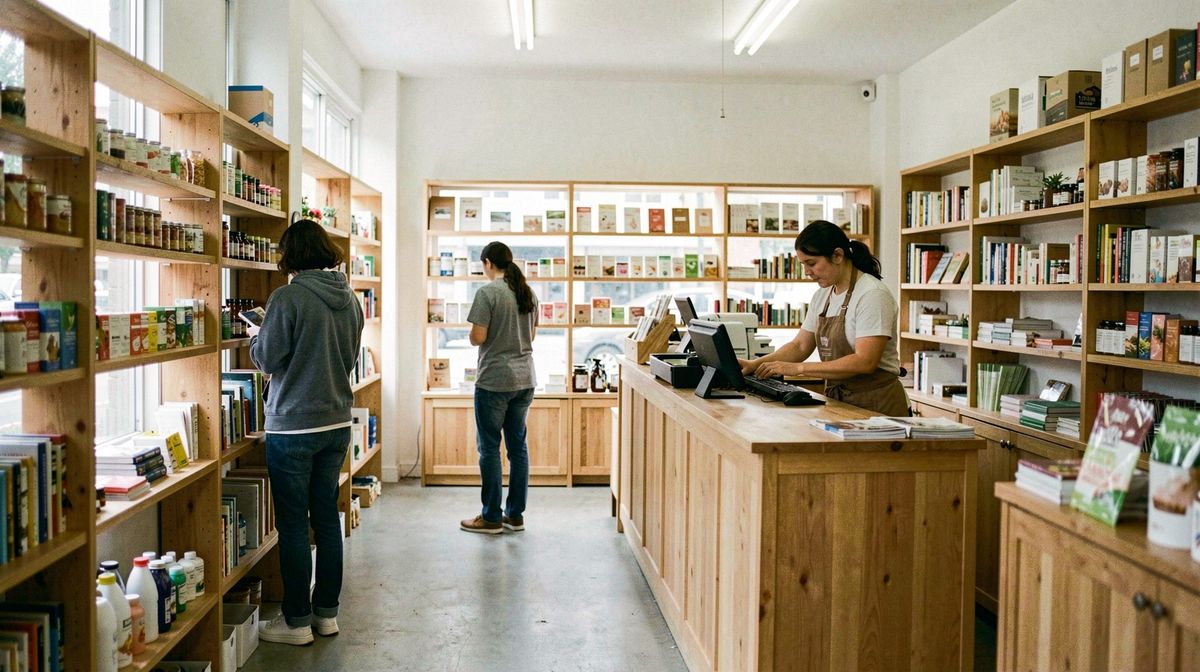
Part of our guide: Soft Opening: Meaning, Purpose and How It Works
A retail store soft opening is a quiet first trading period that lets you test how the store really works. It is the retail version of the general soft opening basics; restaurants have different tests, covered in restaurant soft opening.
A store soft opening is a quiet first trading period
You open the doors to a limited number of customers, usually with little advertising, and watch what happens. The store should already hold the licenses and permits it needs. SBA says local governments determine registration, licensing and permitting requirements for activities such as retail, so confirm with your city or county before the first sale.

What to test in a store
- Point of sale. Cash, card and any other payment you accept, receipts and end-of-day totals.
- Returns and exchanges. Walk a sample return through the full process.
- Inventory counts. Compare stock on the shelf with what the system says after a day of sales.
- Layout. Where people stop, get lost or miss products.
- Signage and pricing. Whether prices match labels and the system.
- Access. Entrances, aisles and the checkout should work for everyone. ADA.gov says businesses open to the public must give people with disabilities an equal opportunity to use their goods and services and must remove architectural barriers where readily achievable.
Staffing and customer flow in a first week
Schedule your strongest team on the likeliest busy hours, and note when traffic actually arrives. Make sure each person knows how to ring up a sale, handle a return and find help. Keep a short list of questions customers ask, since repeated questions point to signage or layout problems.
Quiet marketing: who to tell, who to hold back
Tell people who will give useful feedback and forgive rough edges: neighbors, nearby workers, contacts who asked for updates. Hold the wider advertising for the grand opening so crowds do not outrun a store still being tuned. See the marketing plan for what to announce and when.
Use first-week feedback
Write down problems in one log with an owner and a fix. Rank them by how often they occur and how much they affect a sale. Fix the top few, retest, and update staff. Thank those who helped.
How do you run a soft opening day in a store?
A soft opening works best when the day has a shape, even a loose one.
- Brief the team before the doors open. Share what you are testing, what feedback you want and who handles what.
- Pick a few specific tests. For example, one team member handles returns, another watches the entrance, a third records what shoppers ask.
- Let customers shop normally. Do not follow them or interrupt. Observe, then ask a short question at checkout if they are willing.
- Keep a log as you go. A notepad at the till works. Note the time, what happened and who saw it.
- Hold a short debrief at close. Ask what went well, what slowed things down and what customers asked for that you did not have.
What to ask shoppers
Keep questions short and optional. Good prompts are: “Was anything hard to find?”, “Was checkout easy?”, and “What would make you come back?” Thank them either way. Avoid leading questions that invite praise instead of detail.
Common soft opening mistakes
- Treating it as a mini grand opening with heavy promotion, then being overwhelmed.
- Not recording problems, so the same ones return at the grand opening.
- Fixing one issue without retesting it.
- Asking staff for feedback only at the end of a tiring day, when details are forgotten.
Checklist before you announce the grand opening
- Licenses, permits and required inspections confirmed with local authorities
- Checkout, returns and inventory counts tested and reconciled
- Prices and signs match
- Layout adjusted after observing customers
- Staff confident on a normal shift
- Problem log closed or scheduled
- Next step: plan the public launch; compare the two events in the side-by-side comparison
Related reading
Quick answers
What is a soft opening for a store?
A store soft opening is a short, low-key first trading period before the official launch. Customers can shop while you test checkout, returns, stock counts and layout under real conditions, without the pressure of a crowd. It is a trial of a business that is already legally able to trade, not a way around licensing or permit rules.
How long should a retail soft opening be?
There is no standard length. The right length is however long it takes to test your list and fix what you find. Stop when checkout runs smoothly, counts match sales and staff can handle a normal shift, then set the grand opening date.
Should you advertise a soft opening?
Usually only lightly. The aim is a manageable group of customers, so many owners tell neighbors, existing contacts and people who asked for updates, and save wide advertising for the grand opening. Whatever you say, state that it is a trial period and that hours or stock may be limited, so expectations match reality.
Do you have a sale at a soft opening?
It is up to you. Some stores offer a small thank-you or run at normal prices, while others save promotions for the grand opening. If you advertise any offer, state its terms and end date clearly, and honor it. Discounts can attract bargain hunters rather than the customers you want feedback from, so decide based on your goal.
When do you hold the grand opening after the soft opening?
Hold it once the fixes from the soft opening are in place and retested. There is no standard gap; it might be days or weeks depending on what you found, such as a point-of-sale issue or a layout change. Announce the date only after you are confident the store can handle the crowd you are inviting.